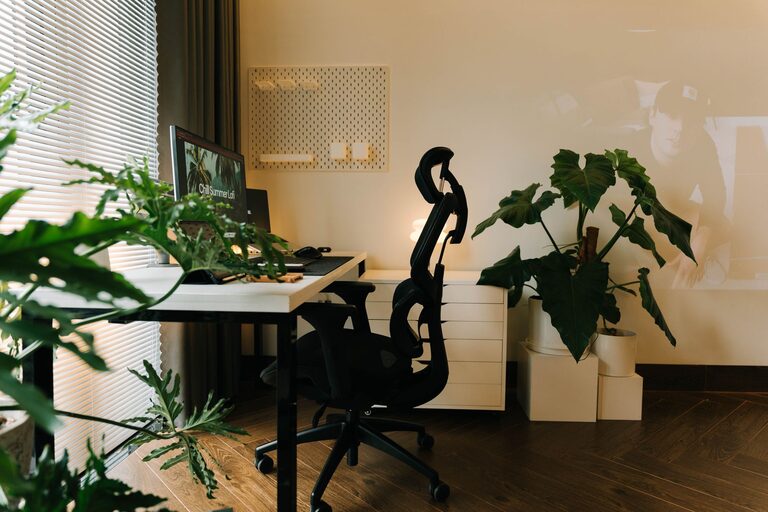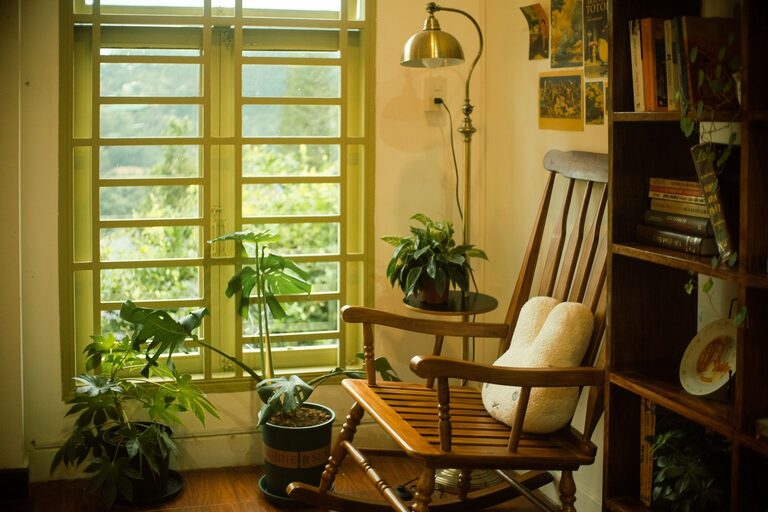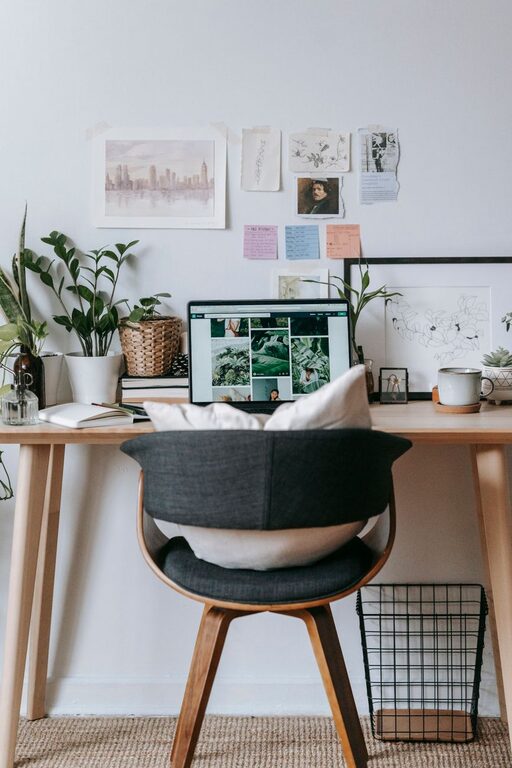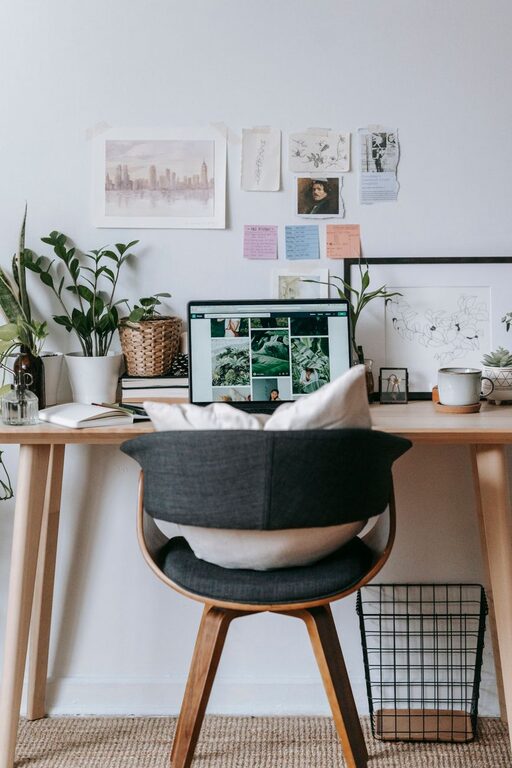
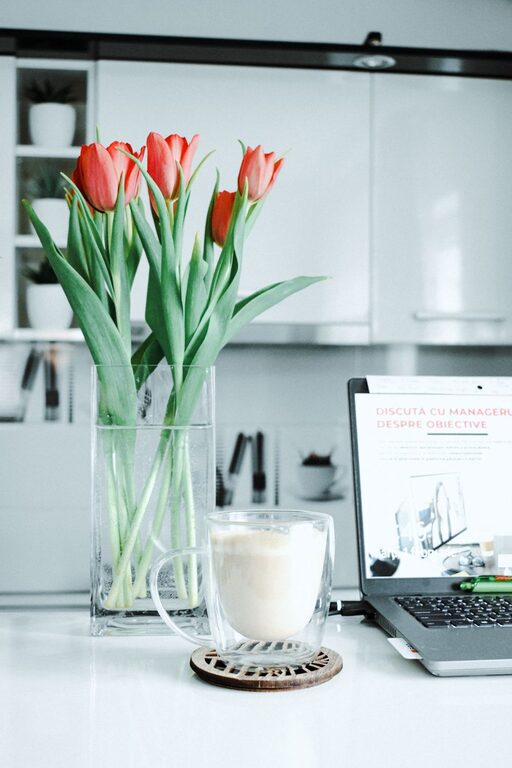
Creating a relaxing home workspace is essential for boosting productivity, especially as more people work remotely or spend time on personal projects at home. A well-designed area can help reduce stress, improve focus, and make your workday more enjoyable. This guide offers practical tips to help you transform any space into a calm, efficient workstation.
Choose the Right Location
Your workspace location plays a big role in how relaxing and productive it feels.
– Natural light: Aim for a spot with plenty of natural light. Sunlight can enhance your mood and energy levels.
– Quiet environment: Pick a place away from household noise and distractions.
– Adequate space: Make sure there’s enough room for your desk, chair, and materials you need daily.
If you don’t have a dedicated room, a corner in a living room or bedroom can work well with the right setup.
Invest in Comfortable Furniture
Furniture affects both comfort and posture, which impacts your ability to focus for hours.
– Ergonomic chair: Choose a chair that supports your back and allows your feet to rest flat on the floor.
– Desk at the right height: Your elbows should be at a 90-degree angle when typing to prevent strain.
– Adjustable options: Consider furniture you can modify to suit different tasks or positions, such as a standing desk converter.
Comfort reduces fatigue, helping you stay focused and relaxed throughout the day.
Declutter and Organize
A cluttered space can quickly lead to a cluttered mind.
– Keep essentials only: Limit items on your desk to what you use every day.
– Storage solutions: Use shelves, drawers, or boxes to store supplies and paperwork neatly.
– Cable management: Keep cords tidy and out of sight with clips or cable sleeves.
An organized area minimizes distractions and helps you feel calm and in control.
Personalize Your Space
Adding a few personal touches makes your workspace welcoming and enjoyable.
– Plants: Adding greenery can reduce stress and improve air quality.
– Artwork or photos: Display images that inspire or relax you.
– Color choices: Use soothing colors like blues and greens to create a calm atmosphere.
Personalizing your workspace helps motivate you and creates a peaceful environment.
Pay Attention to Lighting
Proper lighting not only helps avoid eye strain but also influences mood.
– Avoid harsh overhead lights: Use soft, diffused lighting where possible.
– Task lighting: A desk lamp can provide direct light for focused work.
– Adjust for time of day: Make sure your space has enough light during early mornings and late afternoons.
Good lighting can reduce fatigue and keep you alert.
Minimize Noise Distractions
Sound can be a major disruption when trying to concentrate.
– Use noise-cancelling headphones: These can block out household noises.
– Play background music: Soft instrumental music or nature sounds can promote focus.
– Soundproofing: Add rugs, curtains, or wall hangings to dampen noise levels.
Controlling noise helps maintain a peaceful workspace.
Establish Workspace Boundaries
Creating clear boundaries helps separate work time from personal time.
– Designated workspace: Avoid working from your bed or couch.
– Work hours: Set regular start and end times for your workday.
– Tell others: Communicate your workspace rules with family or housemates.
Boundaries help you mentally switch into work mode and relax afterward.
Take Breaks and Move
Long stretches of work can wear down both focus and comfort.
– Set a timer: Follow the Pomodoro Technique or similar methods to remind you to take breaks.
– Stretch or walk: Gentle movement refreshes your body and mind.
– Hydrate and snack: Keep water and healthy snacks nearby to maintain energy.
Breaks prevent burnout and keep your workspace feeling relaxing.
—
By following these tips, you can create a home workspace that feels calm and supports your productivity. A thoughtful setup makes working from home or on personal projects more enjoyable and effective. Start small, experiment, and adjust your space until it feels just right for you.
About the Author