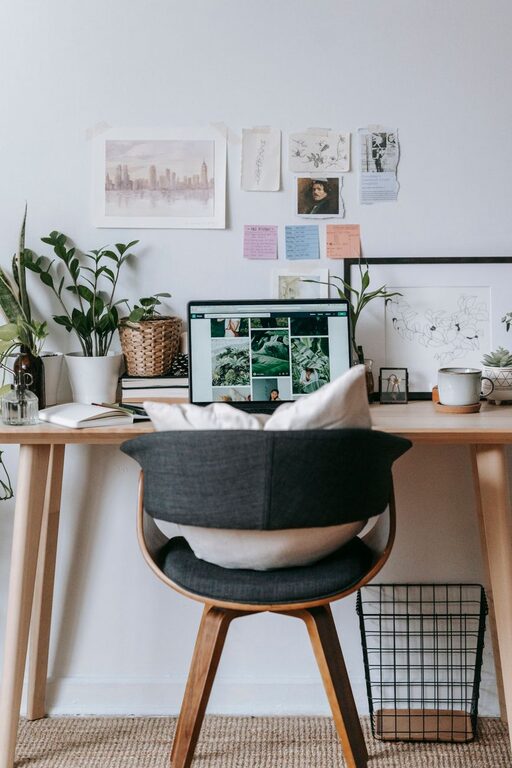
Creating a cozy and functional home office space can make a significant difference in your workday. Whether you work from home full-time or need a dedicated spot for occasional tasks, a well-designed office boosts focus and comfort. In this post, we’ll explore practical tips to help you build a workspace that feels inviting while supporting your productivity.
Why Your Home Office Matters
A home office is more than just a desk and chair. It’s a space that encourages concentration, creativity, and calmness. When you invest in making your office cozy and functional, you reduce stress and improve your work habits. Plus, a thoughtfully arranged workspace can separate your professional life from your personal life, helping you maintain balance.
Choosing the Right Location
Selecting the best spot for your home office sets the foundation for comfort and efficiency.
– Quiet Area: Find a place with minimal distractions, away from loud household activity.
– Natural Light: Position your desk near a window if possible. Natural light enhances mood and reduces eye strain.
– Ventilation: Good airflow keeps the space fresh and comfortable during long hours.
If space is limited, consider using a small nook or repurposing a corner of a room efficiently.
Prioritizing Ergonomic Furniture
Comfort is essential for long work sessions, so investing in ergonomic furniture pays off.
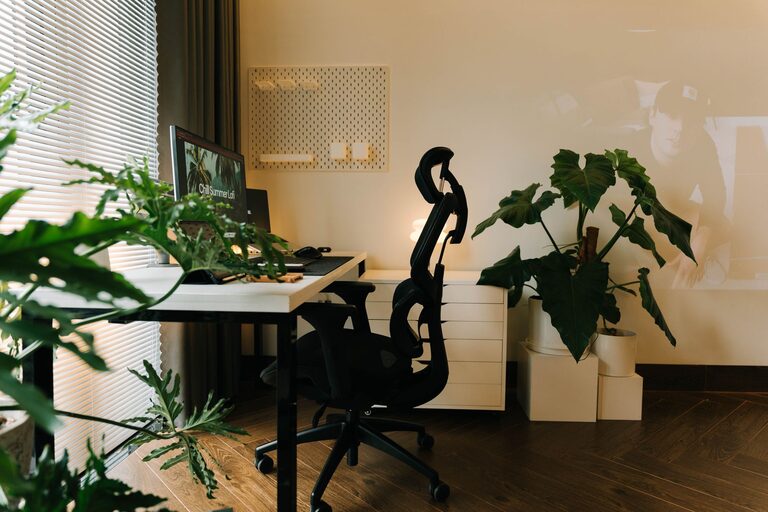
– Ergonomic Chair: Choose a chair with lumbar support and adjustable height to maintain good posture.
– Desk Height: Your desk should allow your arms to rest naturally at a 90-degree angle.
– Footrest: If your feet don’t comfortably reach the floor, use a footrest to reduce strain.
Proper seating helps prevent back and neck pain and keeps you focused.
Creating a Warm and Inviting Atmosphere
Adding cozy elements makes your workspace feel enjoyable and welcoming.
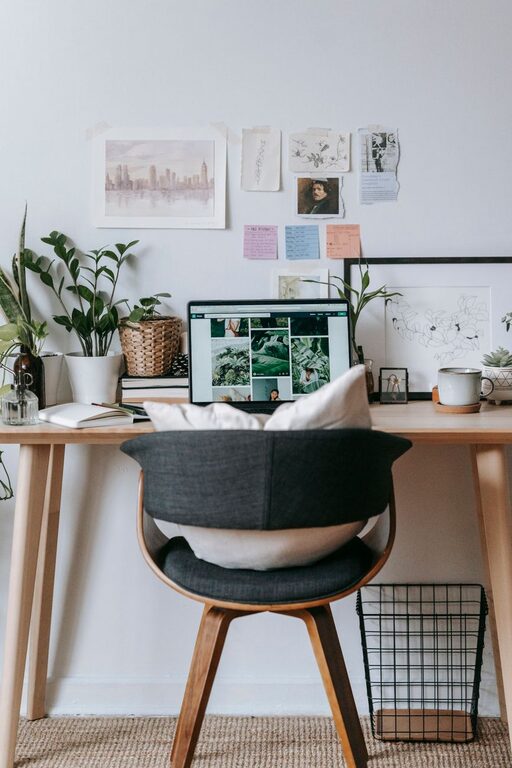
– Soft Textiles: Incorporate cushions, a throw blanket, or an area rug for warmth and texture.
– Plants: Greenery improves air quality and adds life to the room.
– Personal Touches: Display art, photos, or favorite books to inspire and motivate you.
Use warm-toned lighting, such as desk lamps or string lights, to reduce harsh brightness and create a relaxed environment.
Maximizing Storage and Organization
A clutter-free space supports clarity and efficiency. Use smart storage solutions to keep your office tidy.
– Shelving: Wall shelves save floor space and keep supplies accessible.
– Drawer Organizers: Separate items like pens, paper, and chargers for easy retrieval.
– Filing Systems: Use labeled folders or boxes to manage documents.
Regularly declutter to maintain an orderly workspace and avoid distractions.
Technology Setup that Works for You
Ensure your technology is both efficient and comfortable to use.
– Monitor Height: Your screen should be at eye level to avoid neck strain.
– Keyboard and Mouse: Use wireless or ergonomic devices if possible.
– Cable Management: Use clips or sleeves to keep cords neat and out of the way.
Test your Wi-Fi connection and ensure you have sufficient outlets nearby for all devices.
Balancing Work and Relaxation Zones
If your office space allows, separate areas for focused work and short breaks can be beneficial.
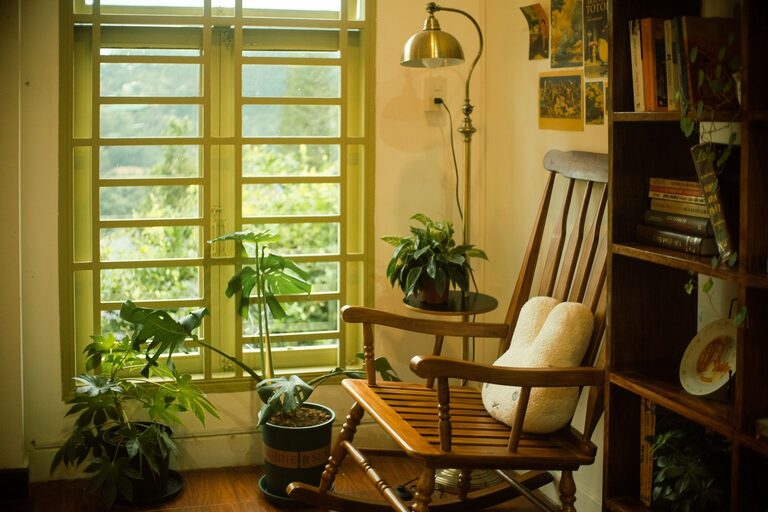
– Reading Corner: A comfortable chair or small sofa lets you pause without leaving the room.
– Stretch Space: Keep a yoga mat or simple exercise tools handy to refresh your body during breaks.
Taking regular breaks enhances productivity and wellbeing.
Incorporating Flexible Layouts
Your needs might change, so design your office for adaptability.
– Modular Furniture: Choose pieces that can be moved or rearranged easily.
– Dual-Purpose Items: A foldable desk or storage ottoman can save space when not in use.
– Adjustable Lighting: Have options for brighter task lighting and softer ambient lighting based on the task.
A flexible setup helps you stay comfortable during different types of work or creative projects.
Final Thoughts
Building a cozy and functional home office is about blending comfort with practicality. By considering your location, furniture, lighting, organization, and personal style, you create a space that supports your productivity and wellbeing. Start small, and gradually personalize your office to make it a place where you enjoy spending time.
Remember, your perfect workspace is one that meets your unique needs—feel free to experiment and tweak your setup until it feels just right.
About the Author